
Embracing Metadata Management for Improved Data Governance
Understanding Metadata: The Backbone of Data Management
Metadata, at its essence, is data about data. It provides context and meaning to data that makes it easier to manage, discover, and use. Metadata is used in various capacities, from cataloging information in databases to enhancing searchability in massive data stores. Understanding the role of metadata is vital for any organization aiming to optimize its data governance practices.
Types of Metadata and Their Impact
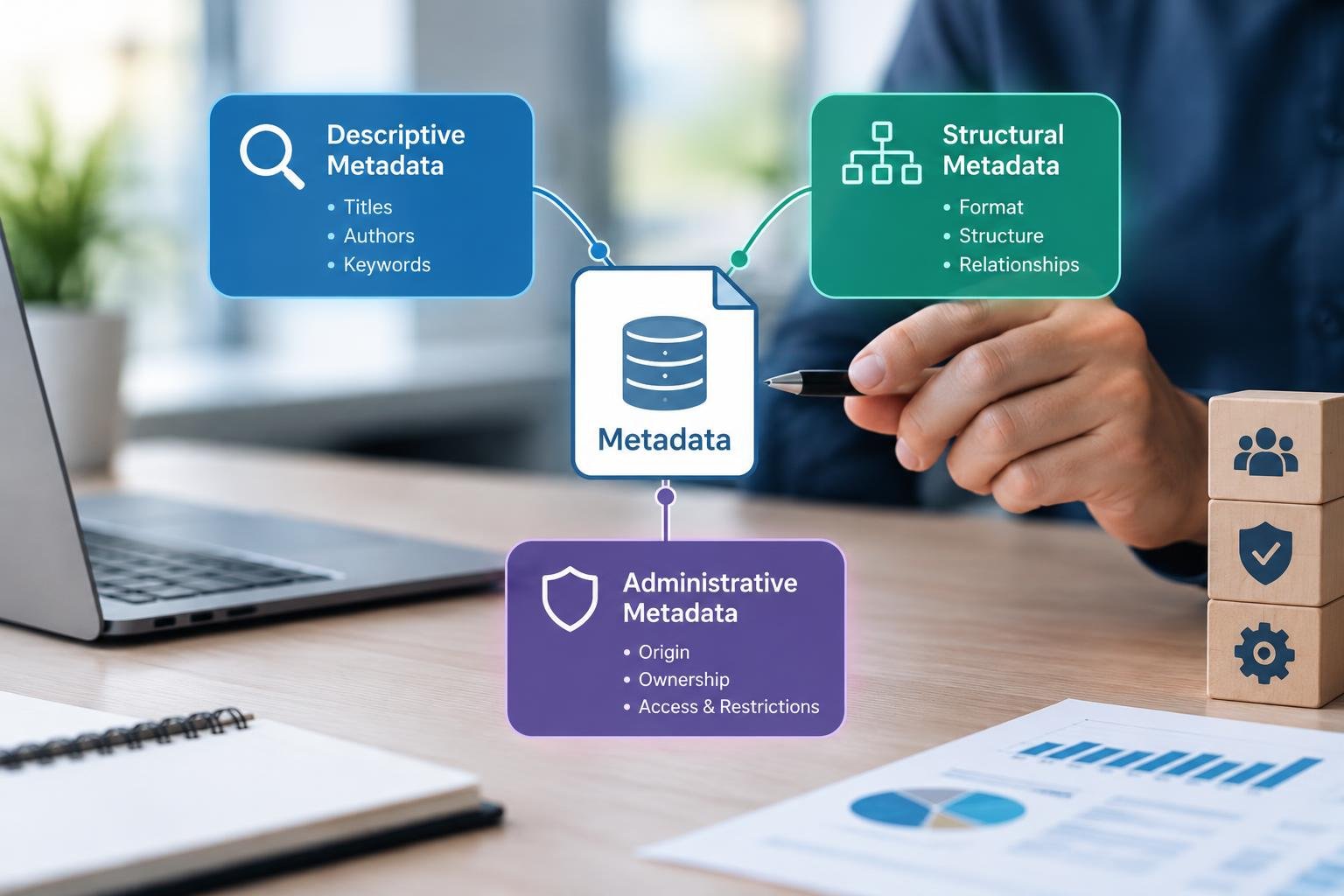
There are three primary types of metadata: descriptive, structural, and administrative. Descriptive metadata covers information like titles, authors, and keywords, making data easier to locate and understand. Structural metadata outlines the format, structure, and relationships between data entities, often crucial for complex data sets and hierarchical structures. Lastly, administrative metadata concerns details about the data lifecycle, including its origin, ownership, and restrictions on access or use. Combining these types enhances the visibility, reliability, and control of your data assets.
Implementing Effective Metadata Management
Implementing a robust metadata management strategy involves several steps. Begin by cataloging your metadata to create a centralized repository. This repository acts as a single source of truth, enabling easier data discovery and integration.
Further, standardize metadata formats and terminology across the organization to ensure consistency. This can help avoid confusion and ensure all users understand the metadata in the same way.
Another critical aspect is automating metadata management where possible. Use tools and platforms that allow automated tagging, updating, and maintaining of metadata to reduce manual effort and minimize errors.
Real-World Example: Boosting Decision Making
Consider a retail company aiming to improve its decision-making processes. By implementing an effective metadata management system, it can rapidly catalog and classify its sales data, customer information, and inventory levels. This system enables quick and efficient data retrieval and analysis, directly affecting strategic decisions such as inventory restocking, promotional campaigns, and customer segmentation strategies.
For instance, by categorizing customer feedback with descriptive metadata, the company can analyze trends and gain insights into customer satisfaction more efficiently. This actionable intelligence can then inform marketing strategies and product development.
Actionable Takeaways for Your Metadata Strategy
To enhance your metadata management, prioritize the development of comprehensive metadata standards tailored to your organization. This will lay the groundwork for consistent and reliable data governance.
Invest in the right tools that offer automation and synergy with existing systems. These tools should support seamless metadata creation, management, and integration processes.
Lastly, foster a culture where metadata practices are integral to everyday operations. Training staff to understand the importance and use of metadata can significantly enhance its effectiveness across the organization.